§ Journal · May 8, 2026
Twisted vs Round vs Serrated Trimmer Line
Line shape changes how clean, quiet, and durable your cut is. Here's how the three profiles compare and which to run.
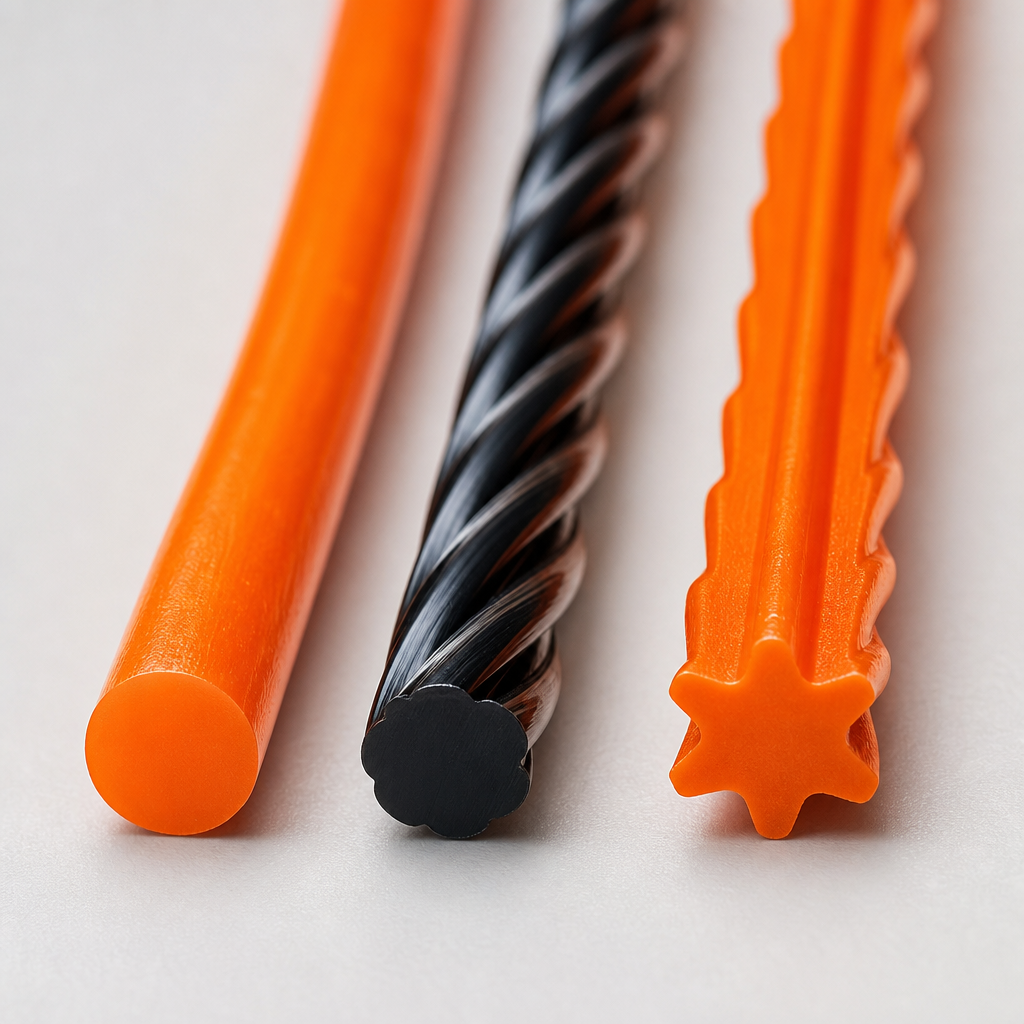
Two spools of the same diameter can cut completely differently because of one thing: the cross-sectional shape of the line. Round, twisted, and serrated profiles each behave distinctly, and matching the profile to your work makes a bigger day-to-day difference than most people realize. Here’s how they compare.
Round — cheap and tough
The original profile and still the cheapest. Round line is durable against hard surfaces — it resists wear when you’re trimming along pavement or gravel. The downside is how it cuts: a round edge tears grass rather than slicing it, which leaves a more ragged finish and makes more noise.
- Best for: budget refills, soft grass, edging along hard surfaces.
Twisted — the all-rounder
A spiraled profile cuts noticeably cleaner and quieter than round, with less fraying, because the twist gives it more of a cutting edge as it spins. It’s the best all-around homeowner choice and the one to default to if you’re unsure.
- Best for: general lawn trimming where a tidy finish matters.
Serrated / multi-sided — the aggressive cutter
Star, square, and serrated profiles have actual cutting edges that slice through thick weeds and dense growth fast. The trade-off is durability — those edges wear quicker against pavement, and the line costs more.
- Best for: heavy weeds, brush, and overgrowth.
Quick guide
| Your work | Profile |
|---|---|
| Tidy lawn, clean finish | Twisted |
| Heavy weeds & brush | Serrated / multi-sided |
| Budget, soft grass, lots of edging | Round |
Shape and gauge work together
Profile is independent of diameter — you still have to match the gauge to your trimmer (see Choosing Trimmer Line Gauge). Pick the gauge your head is rated for, then choose the profile that suits your wood and grass. Browse line and pre-wound spools in the shop.
§ Parts


