Fitment first · Trimmer · SKU B0DSBG7N1B
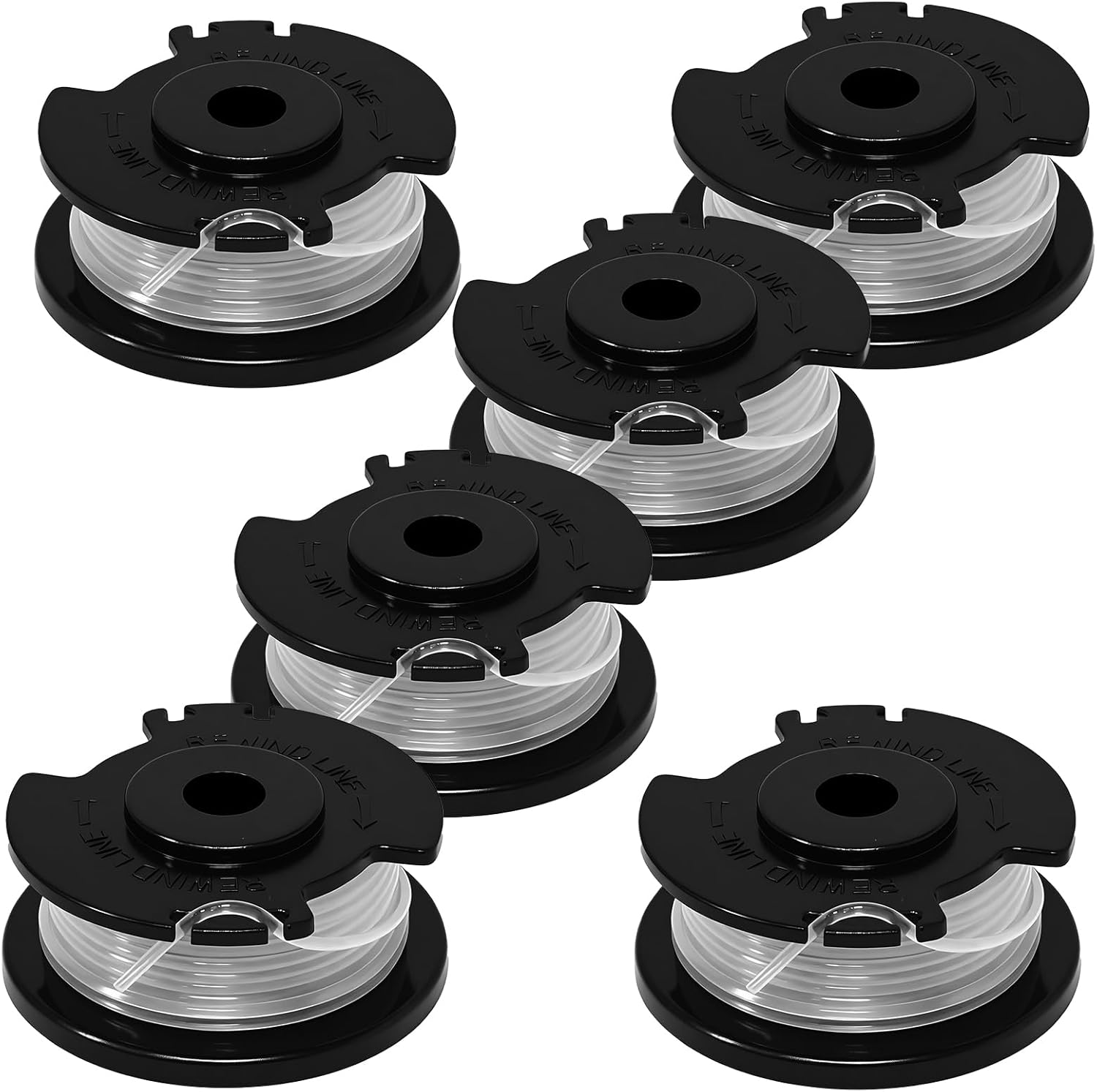
Replacement RS0303 Trimmer Line Spool
Replacement RS0303 Trimmer Line Spool For LawnMaster Grass Trimmers CLGT2410S,CLGT2412S,20VMWGT Weed Eater Spool Replacement HT21-401-003-02 For Hyper Tough …
Compatibility checkpoint
Verify this before you buy
Compare the model printed on your trimmer label with the fitment list below.
pre-wound spool
Match SKU B0DSBG7N1B or ASIN B0DSBG7N1B against the listing and your old part.
LawnMaster Grass Trimmers CLGT2410SCLGT2412S20VMWGT Weed Eater Spool Replacement HT21-401-003-02Hyper Tough HT21-401-003-03HT22-401-03-05 RS93120 Compatibility
This page lists compatible equipment gathered from the product fitment data. Always confirm the model number stamped on your machine before ordering.
Not sure which spool you need? See our guide: How to wind a trimmer spool or How to measure your old spool.
Before you buy — how to verify fitment
- Find your trimmer model number. It's usually on a label on the motor housing, battery slot, or lower shaft.
- Check spool compatibility. Compare the model number with the compatibility list above.
- Verify line gauge. Confirm the line thickness matches what your trimmer head requires by checking your manual or the old spool.
- Inspect the spool housing. Make sure the spool diameter, cap, spring post, and feed style match your trimmer head.
Frequently asked questions
How do I know this spool fits my trimmer?
Check your trimmer model number against the compatibility list above. Then verify the line gauge (.065, .080, .095) matches what your trimmer head requires — it's usually printed on the spool cap or in the manual.
Can I rewind a pre-wound spool?
Yes. Once the factory line runs out, you can rewind the spool with bulk trimmer line of the same gauge. Pre-wound spools just save time on the first load.
How often should I replace the spool?
Replace the spool when the line no longer feeds properly, the spring loses tension, or the spool body is cracked. Under normal weekend use, a spool lasts 2–4 refills before the housing wears out.
What gauge trimmer line should I use?
Match the gauge to your trimmer's power: .065" for light-duty electric trimmers, .080" for mid-range cordless, and .095" for gas-powered or heavy-duty models. Using too thick a line can stall the motor.
Where to buy
This part is sold and shipped through Amazon; return options are shown on the listing. Use the fitment details above to compare your model, old part number, and physical specs before ordering.
Affiliate disclosure: we may earn a commission when you purchase through this link, at no extra cost to you.
Compare